
Written by ArgisLiving
Feng Shui at home is a discipline that seeks to create balanced, harmonious, and pleasant living spaces. Its growing popularity is no coincidence: more and more people are looking for homes that are not only aesthetically appealing but also contribute to improving their physical and emotional well-being.
Applying some Feng Shui principles can help you feel better in your home through small changes in layout, lighting, or the organization of spaces.
What is Feng Shui and Where Does it Come From?
Feng Shui is an ancient philosophy that originated in China over 3,000 years ago. Its name literally means wind (Feng) and water (Shui), two elements that symbolize the flow of natural energy.
According to this discipline, the way spaces are organized directly influences how we feel. That is why Feng Shui seeks to promote a balanced flow of energy—known as Chi—through the arrangement of furniture, natural light, materials, and colors.
In its early days, it was used to choose the location of homes, temples, and cities, taking into account orientation, the natural environment, and the landscape. Over time, these principles were adapted to the interiors of homes and everyday life.
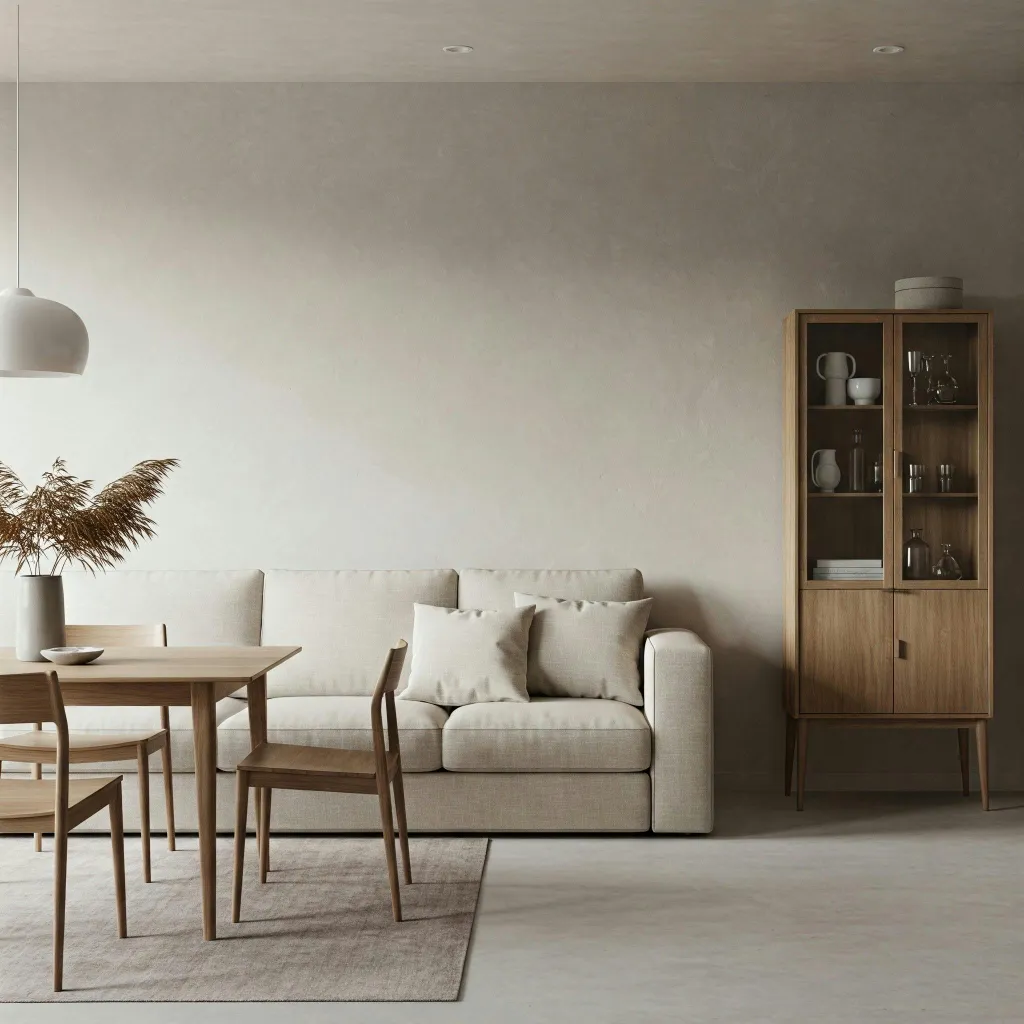
Today, Feng Shui integrates naturally into contemporary styles such as minimalism, Nordic design, and the Mediterranean style, all of which focus on creating bright, orderly, and comfortable spaces.
Benefits of Feng Shui at Home
Feng Shui is based on a simple idea: our surroundings directly influence our well-being. When a space is balanced and well-organized, daily life becomes more comfortable and enjoyable.
Among its main benefits are:
- Reduces stress and visual clutter
- Improves rest and sleep quality
- Promotes concentration and mental clarity
- Increases the sense of calm and comfort at home
- Makes spaces feel more spacious and bright
For this reason, its principles are increasingly being applied in homes, offices, and workspaces alike.
How to Apply Feng Shui at Home
Applying Feng Shui at home doesn’t mean completely transforming a home, but rather paying attention to some key aspects that influence how spaces are perceived.
Some of the basic principles are:
- Maintain order and cleanliness, avoiding the unnecessary accumulation of objects.
- Encourage the entry of natural light and ventilation.
- Pay attention to the arrangement of furniture so that spaces are comfortable and functional.
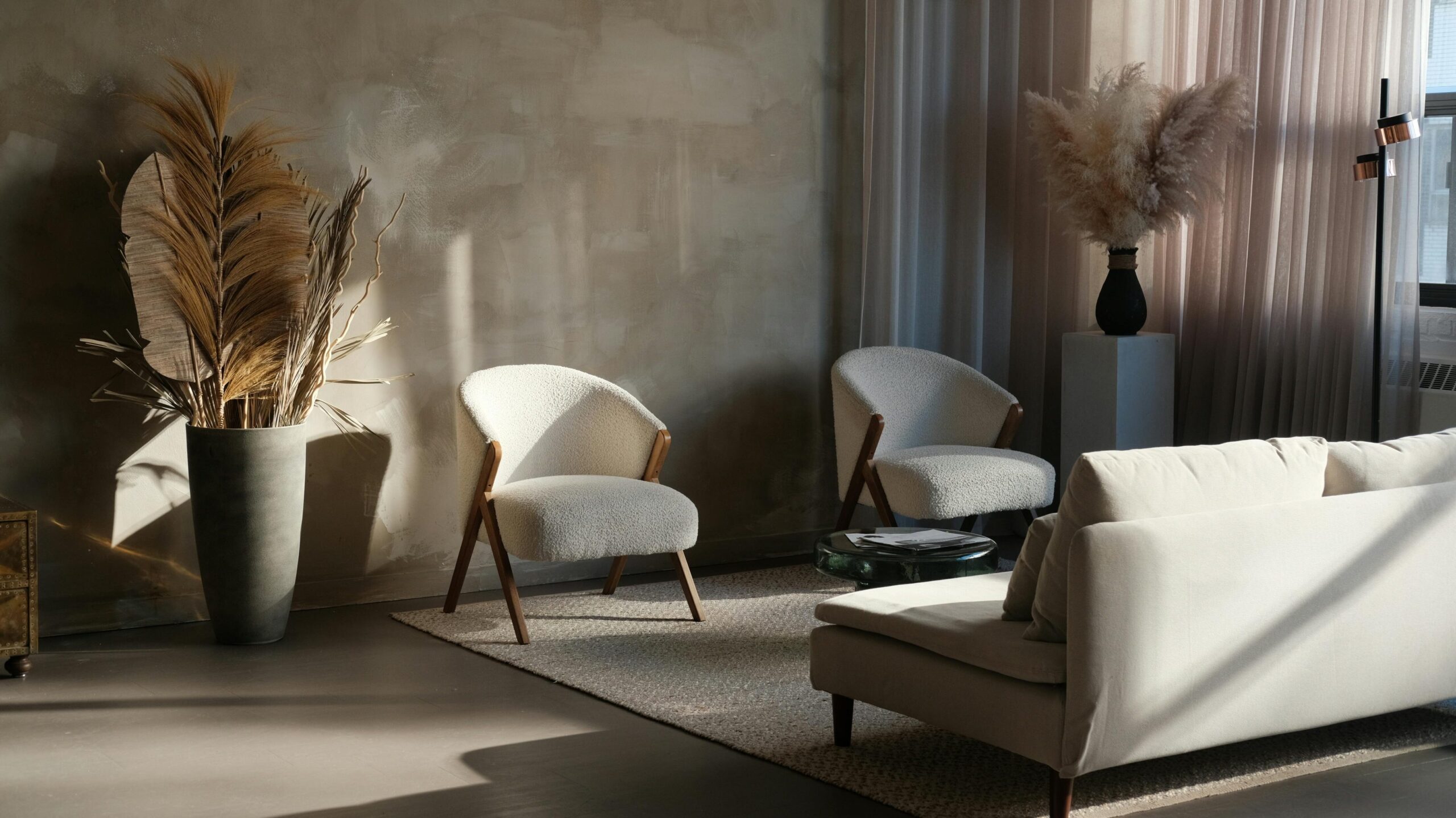
- Incorporate natural materials and colors that convey calm.
- Seek balance among the five elements of Feng Shui: wood, fire, earth, metal, and water.
These aren’t strict rules, but rather about observing how each space affects our feelings and adapting the environment to make it more pleasant.
Feng Shui in Every Area of the Home
The Home’s Entrance: The entrance is the first point of contact with the home. Keeping it clear, tidy, and well-lit helps create a welcoming feeling and makes the space feel more spacious and harmonious.
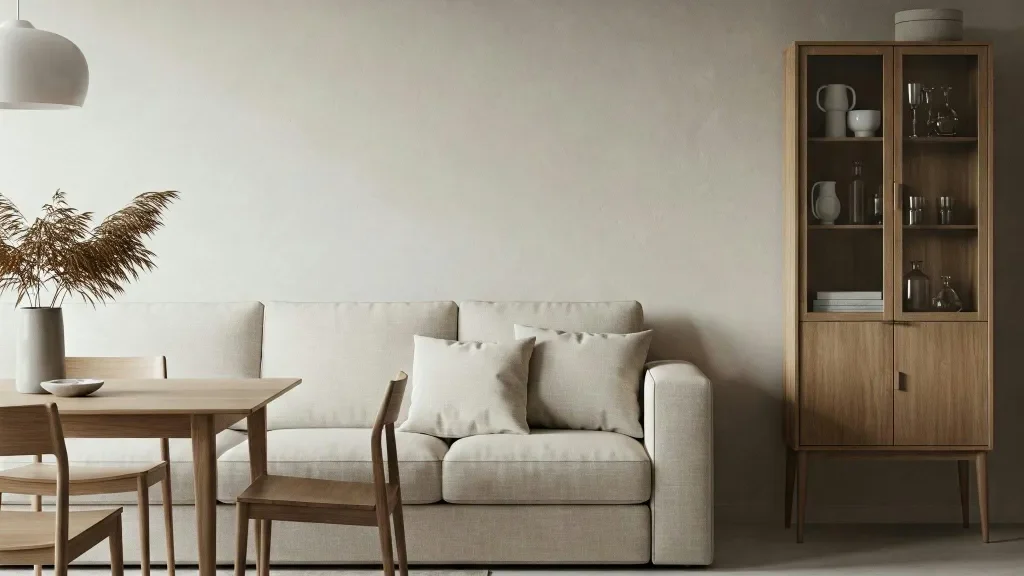
The living room is usually the main gathering space. A balanced arrangement of furniture, along with the use of natural materials and soft colors, fosters a relaxed and cozy atmosphere.
In the bedroom, Feng Shui recommends prioritizing visual calm. Light tones, soft lighting, and simple decor help create an environment conducive to rest.
The kitchen is one of the busiest areas of the home. Maintaining order, cleanliness, and a balance between warm and neutral colors helps create a functional and pleasant environment.
Bathrooms can convey a sense of freshness and personal care. Light tones, good lighting, and an overall feeling of cleanliness help create a relaxing space.
5 Feng Shui Tips to Improve Your Home
If you want to start applying Feng Shui at home, you can begin with a few simple changes:
1. Get rid of what you don’t use
Reducing clutter helps make spaces feel lighter and more organized.
2. Prioritize natural light
Natural light improves your mood and makes rooms feel more spacious and pleasant.
3. Air out your spaces daily
Refreshing the air brings a sense of freshness and well-being to your home.
4. Incorporate plants
Plants connect the interior with nature and provide visual and emotional balance.
5. Use colors that convey calmness
Soft, natural tones help create more relaxing and comfortable environments.
Small changes can have a big impact on how you experience a space.
A More Mindful Way to Live in your Home
Feng Shui does not seek to radically transform spaces, but rather to improve the relationship between people and their home. Applying some of its principles can help create homes that are more balanced, bright, and designed for daily well-being.
At ARGIS Living, we believe in homes designed to be enjoyed, where the layout of spaces, natural light, and the quality of materials contribute to improving the quality of life for those who live there.
Related articles
4 June 2026
Home & Deco
How to lay out a newly built apartment of 50–70 m² without wasting a centimeter
Buying a newly built apartment between 50 and 70 square meters is one of the...
28 May 2026
Home & Deco