
Written by ARGIS Living
Energy efficiency has become one of the most important factors to consider when purchasing a new-build home. Beyond sustainability, an energy-efficient property can offer tangible everyday benefits: greater thermal comfort, lower energy consumption and more efficient use of resources.
But what does it really mean for a home to be energy-efficient? How does its energy rating affect consumption? And which features should buyers consider before making a purchase?
Understanding these aspects helps buyers make more informed decisions and assess factors that go beyond a property’s location, layout or price.
What Is Energy Efficiency in a Home?
Energy efficiency refers to a home’s ability to provide comfortable living conditions while using as little energy as possible.
An energy-efficient home is designed to make better use of available resources and reduce the energy required to maintain a comfortable indoor temperature, provide hot water and operate heating and cooling systems.
Several elements contribute to achieving this:
- Thermal insulation: Reduces heat loss during winter and limits heat gain in summer.
- Windows and building envelope: Help maintain stable indoor temperatures and prevent unwanted air infiltration.
- Orientation and natural light: Make it possible to take advantage of local climate conditions and, when properly designed, reduce certain lighting and heating or cooling needs.
- Efficient heating and cooling systems: Provide thermal comfort while consuming less energy.
- Renewable energy: Can reduce dependence on conventional energy sources.
Together, these factors largely determine a building’s energy performance.
What Does an A Energy Rating Mean?
In Spain, buildings are assessed using an energy efficiency rating scale ranging from A to G.
An A rating represents the highest level of energy efficiency, while G indicates the lowest.
The Energy Performance Certificate (EPC) provides information on two key indicators: non-renewable primary energy consumption and the carbon dioxide emissions associated with operating the property.
A home with an A rating demonstrates strong energy performance according to the parameters used in the certification process. However, this does not mean that all A-rated homes consume exactly the same amount of energy.
Factors such as property size, orientation, installed systems, local climate conditions and household habits also influence actual energy consumption.
For this reason, when comparing properties, it is advisable to review not only the energy rating itself but also the consumption and emissions indicators included in the certificate.
How Energy Efficiency Improves Everyday Comfort
One of the main benefits of an energy-efficient home is improved indoor comfort.
Good thermal insulation and high-quality windows help maintain more stable temperatures throughout the year, reducing the need to constantly use heating or air conditioning.
This translates into several advantages:
1. Greater thermal stability
A well-insulated home retains heat more effectively during colder months and limits unwanted heat gain in summer.
2. Reduced reliance on heating and cooling
When a building is properly designed, less energy is required to achieve and maintain comfortable indoor conditions.
3. Better use of natural light
Orientation, layout and window design help maximise daylight, provided they are combined with appropriate solar protection solutions.
4. A more comfortable living experience
The quality of the building envelope, ventilation and temperature control all contribute to everyday well-being. Certain construction solutions may also improve acoustic insulation, although this should be assessed independently of the property’s energy rating.
How Much Can You Save with an Energy-Efficient Home?
An energy-efficient home can reduce the energy required for heating, cooling and domestic hot water, potentially resulting in lower utility bills.
However, there is no universal savings percentage that applies to every property.
Actual savings depend on several factors:
- The difference in energy efficiency between the new property and the previous home.
- Local climate conditions and orientation.
- Property size.
- The type of installed systems and their maintenance.
- The number of occupants and their consumption habits.
- The energy tariffs contracted.
For example, a home with adequate thermal insulation may require less heating to maintain a comfortable indoor temperature during winter.
Similarly, an efficient heating and cooling system can provide the same level of comfort while using less energy than a less efficient alternative.
Therefore, when purchasing a home, it is useful to consider not only the initial purchase price but also potential operating and maintenance costs over the long term.
Are Energy Efficiency and Sustainability the Same Thing?
Although closely related, energy efficiency and sustainability are not exactly the same.
Energy efficiency focuses on optimising energy consumption and reducing emissions associated with a building’s operation.
Sustainability takes a broader perspective, encompassing aspects such as water consumption, construction materials, waste management, the environmental impact of construction and occupant well-being.
In this context, international certification schemes such as BREEAM assess different dimensions of a building’s environmental performance.
Unlike the energy performance rating, which focuses on specific consumption and emissions indicators, BREEAM evaluates a wider range of sustainability criteria.
Both tools are complementary and help provide a more comprehensive understanding of a residential development’s characteristics.
Energy Efficiency in ARGIS Living Developments
At ARGIS Living, we believe that the quality of a home depends not only on its design or layout but also on how well it responds to residents’ needs over time.
That is why we incorporate energy efficiency, construction quality and sustainability criteria into the development of our residential projects.
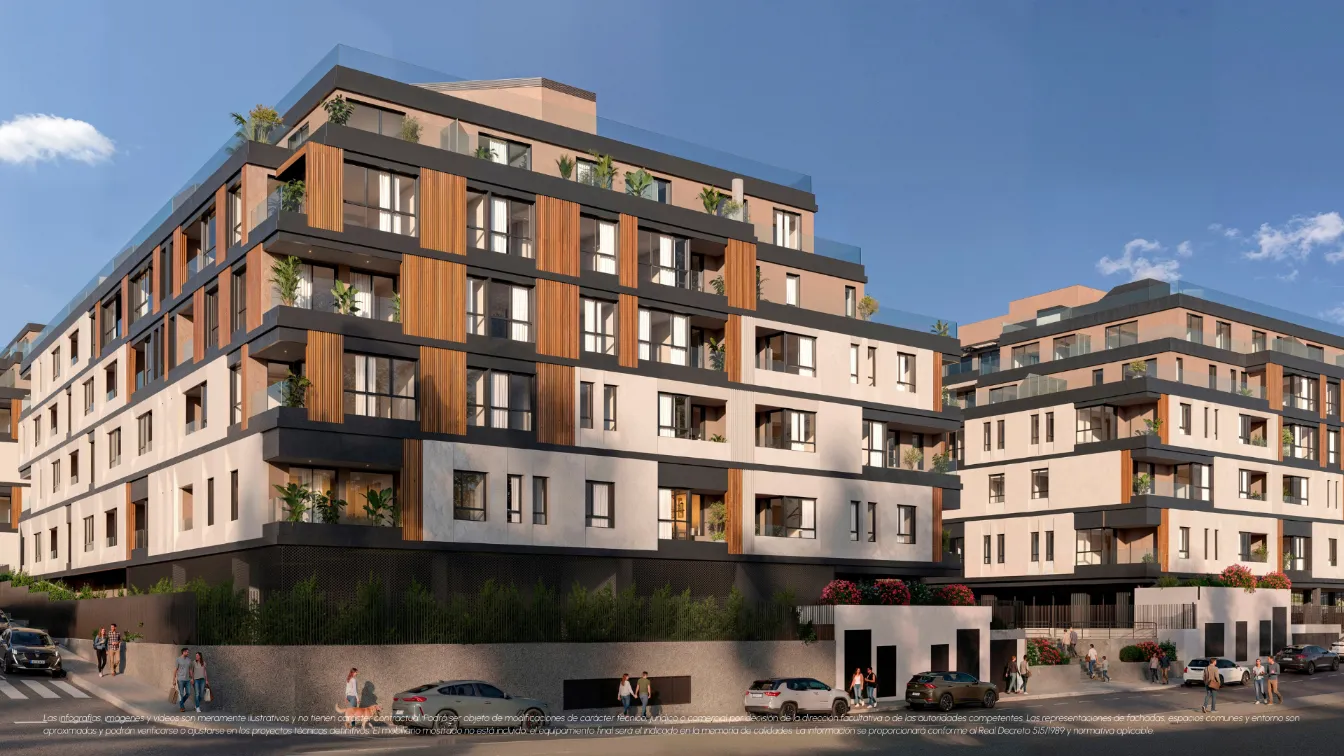
Developments such as ARGIS Nuevo Norte, in Madrid, integrate sustainability principles and hold BREEAM certification, which assesses different environmental aspects of a building.
Similarly, projects such as ARGIS Urban Nature, in Madrid’s Tetuán district, combine contemporary architecture, the use of natural light and construction solutions designed to improve the building’s environmental performance.
This approach reflects our commitment to developing homes that combine design, functionality and well-being, while considering both current needs and their future evolution.
On the market
ARGIS Nuevo Norte
What to Check Before Buying an Energy-Efficient Home
Before choosing a new-build property, it is worth reviewing several factors that can influence its energy performance:
- Energy Performance Certificate: Check the property’s energy rating, consumption indicators and emissions data.
- Insulation and windows: Understand the characteristics of the building envelope and the construction solutions used.
- Heating, cooling and hot water systems: Identify the installed systems and assess their efficiency.
- Orientation and solar protection: Consider how these influence natural light and indoor temperatures.
- Sustainability certifications: Check whether the development holds additional environmental certifications and understand their scope.
This information allows buyers to compare residential developments using more comprehensive criteria and make better-informed purchasing decisions.
An Energy-Efficient Home Is a Long-Term Decision
Buying a home involves evaluating numerous factors, from its location and layout to communal areas and surrounding services.
Energy efficiency adds another important dimension: how the property will perform over the years ahead.
Thoughtful design, quality materials and efficient systems can help reduce energy consumption and improve everyday comfort.
At ARGIS Living, we are committed to an approach to residential development in which architecture, sustainability and construction quality work together to create spaces designed for both present and future needs.
Because choosing a home also means thinking about how we want to enjoy it in the long term.
Frequently Asked Questions About Energy Efficiency in New-Build Homes
What is the best energy efficiency rating for a home?
An A rating is the highest level of energy efficiency on Spain’s A-to-G scale. For a more complete comparison, it is also advisable to review the energy consumption and emissions figures included in the Energy Performance Certificate.
Do new-build homes consume less energy than older properties?
Generally, new-build homes must comply with more recent energy efficiency regulations. However, actual consumption depends on each property’s characteristics, installed systems and usage patterns.
What is the difference between an Energy Performance Certificate and BREEAM?
An Energy Performance Certificate assesses a building’s energy consumption and emissions. BREEAM is a sustainability certification scheme that evaluates a broader range of criteria, including energy, water, materials, waste and occupant well-being.
Does a home’s orientation affect its energy efficiency?
Yes. Orientation determines solar exposure and can influence heating, cooling and lighting requirements. Its impact also depends on the local climate, windows, solar protection systems and overall building design.
Does an A-rated home guarantee low energy bills?
Not necessarily. The energy rating reflects a property’s performance under standardised assessment conditions. Actual energy bills also depend on household consumption, contracted energy tariffs and other domestic energy uses.
Related articles

24 July 2026
Insights
Pool, gym, or coworking space: which common areas do homebuyers value most?
When choosing a home, the number of bedrooms, the layout and the location remain key...
4 July 2026
Insights