
Written by ArgisLiving
The residential market in Madrid has undergone significant changes in recent years, driven by factors such as growing demand for housing, the city’s urban transformation, and increasing interest from domestic and international investors.
Key trends in Madrid’s real estate market include increased demand in well-connected areas, a shortage of new housing in established neighborhoods, the development of new residential projects, and the growing importance of energy efficiency and design in real estate developments.
Understanding these trends allows for a better analysis of how the market is evolving and what factors are shaping the city’s residential development.
Key Trends in Madrid’s Residential Market
Madrid’s real estate market features several dynamics that are influencing the development of new projects and home-buying decisions.
Among the most significant trends are:
- sustained growth in housing demand
- shortage of new construction supply in established areas
- greater emphasis on residential design
- growing demand for efficient and sustainable housing
- urban transformation of certain areas of the city
These trends are redefining the development of the residential sector in Madrid.
Sustained Growth in Housing Demand
Madrid continues to establish itself as one of Europe’s most dynamic residential markets.
The city’s economic growth, its international appeal, and the influx of new residents have driven demand for housing, both for purchase and for rent.
This demand is particularly concentrated in areas that offer good connections to the city center, access to public transportation, well-established urban services, and a high quality of life in an urban setting.
As a result, certain areas of Madrid are experiencing significant pressure on the available housing supply.
Shortage of New Housing in Established Areas
One of the characteristics of Madrid’s residential market is the limited availability of land for new developments in central or established areas.
This situation has led many developers to seek alternatives to expand the housing supply, including:
- urban regeneration
- renovation of existing buildings
- conversion of real estate assets into residential projects
These types of strategies allow for the development of new housing in areas where traditional development is more complex.
The Growing Importance of Residential Design
Today’s buyers increasingly value the quality of architectural design and the functionality of spaces.
Among the most sought-after features in new residential developments are:
- homes with more natural light
- open and flexible spaces
- terraces or outdoor spaces
- common areas in buildings
Current residential developments tend to incorporate these elements to meet the needs of new urban lifestyles.
Growing Demand for Efficient and Sustainable Homes
Energy efficiency has become an increasingly important factor in the real estate market.
New construction developments incorporate solutions aimed at improving the energy efficiency of buildings, such as:
- advanced thermal insulation
- efficient HVAC systems
- better energy certifications
These elements not only reduce energy consumption but also improve comfort and the long-term value of the home.
Conversion of Office Buildings into Residential Projects
One of the emerging trends in Madrid’s residential market is the conversion of office buildings into housing.
This type of project makes it possible to transform real estate assets that have become obsolete or underutilized into new residential developments tailored to the current needs of the market.
In areas where available land is limited, the conversion of existing buildings is establishing itself as an efficient solution to increase the housing supply without the need for new urban developments.
Furthermore, these projects allow for the renovation of existing buildings, improved energy efficiency, the adaptation of spaces to new residential uses, and the revitalization of certain urban areas.
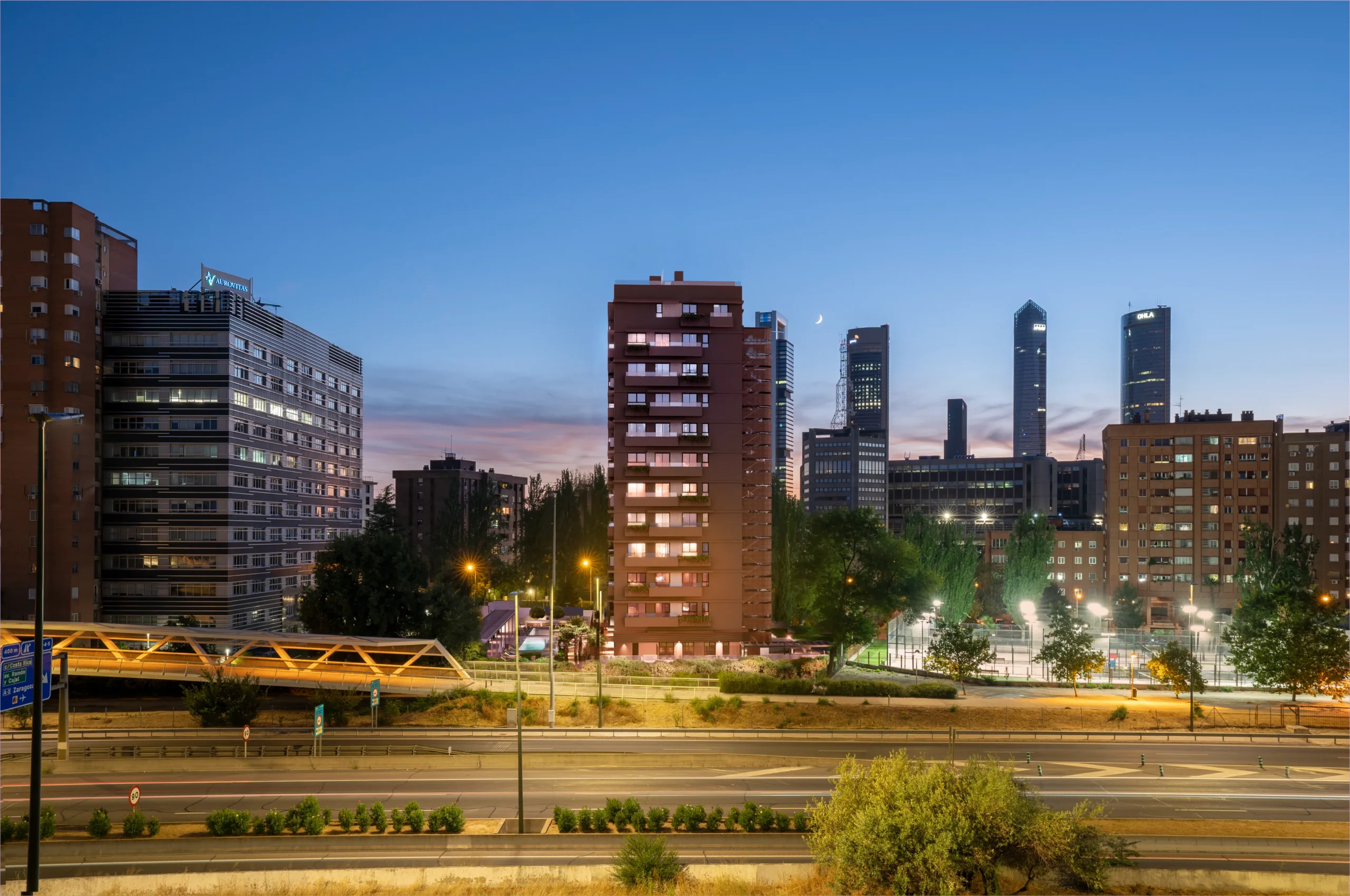
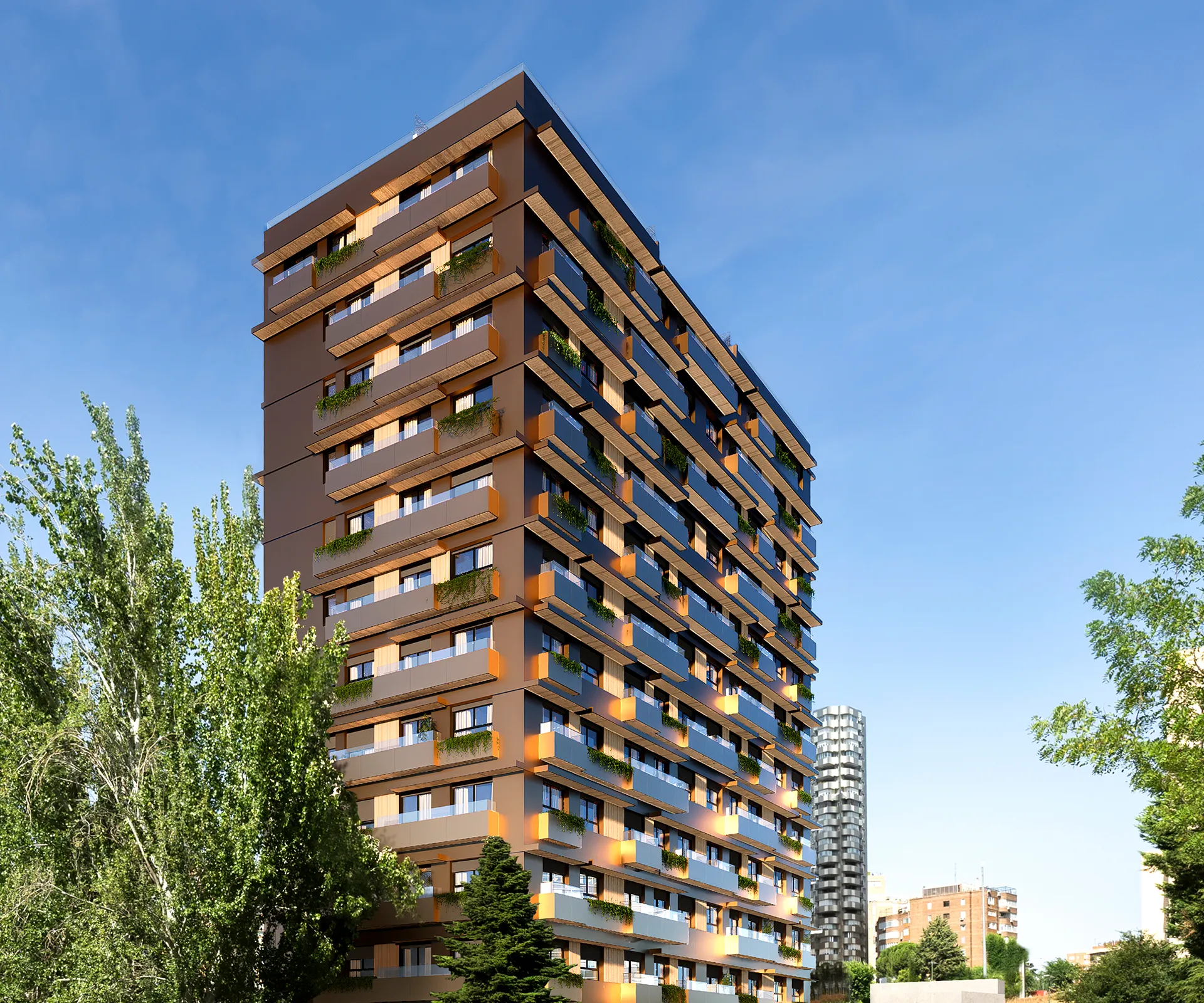
In this context, ARGIS Living is spearheading the ARGIS North Tower project, a residential development involving the conversion of an office building into housing.
These types of initiatives demonstrate how adapting the existing real estate stock can help expand the residential supply in Madrid and drive the city’s urban transformation.
On the market
Argis North Tower
Factors Influencing the Residential Market in Madrid
The performance of the real estate market is influenced by various economic, urban planning, and demographic factors.
| Factor | Impacto en el mercado |
|---|---|
| Population growth | Increased demand for housing |
| Economic development | Attraction of talent and new residents |
| Land availability | Determines the supply of new construction |
| Urban infrastructure | Revaluation of certain areas |
| Quality of developments | Influences the decision to buy |
The interaction between these factors determines the evolution of the residential market in the city.
Madrid as One of Europe’s Leading Residential Markets
Madrid has established itself as one of Europe’s most dynamic real estate markets.
Key factors contributing to this position include:
- economic stability
- population growth
- the city’s international appeal
- business dynamism
These characteristics have made Madrid an attractive destination for both homebuyers and real estate investors.
The Role of Developers in Residential Development
Real estate developers play a fundamental role in the development of the city’s residential market.
Through the development of new projects and urban regeneration initiatives, they help expand the housing supply, modernize the residential stock, and drive the transformation of specific urban areas.
Based on ARGIS Living’s experience in developing residential projects in Madrid, market analysis and the identification of urban transformation opportunities are key elements in driving projects tailored to the city’s current needs.
In Short
The residential market in Madrid continues to evolve, driven by growing demand, a shortage of new housing in certain areas, and the transformation of the urban fabric.
Trends such as urban regeneration, energy efficiency in buildings, and the repurposing of real estate assets are shaping the future of residential development in the city.
Understanding these dynamics allows for a better analysis of market trends and helps anticipate how the real estate sector will develop in the coming years.
Frequently Asked Questions About the Residential Market in Madrid
What is the current state of the real estate market in Madrid?
The residential market in Madrid shows sustained demand for housing, especially in well-connected areas with established urban services.
Why is there a shortage of new housing in some areas of Madrid?
The scarcity of available land and urban planning restrictions limit the development of new housing projects in certain areas of the city.
What are homebuyers looking for in Madrid?
Buyers value bright, energy-efficient homes with outdoor spaces or common areas.
What is the conversion of office buildings into residential housing?
It is the process by which a building originally intended for offices is transformed into a residential project adapted to the current needs of the market.
Related articles
8 January 2026
Real Estate Market
Urban Regeneration: How it Improves your City Life
Urban regeneration is one of the major transformations currently taking place in cities. It involves...
17 October 2025
Real Estate Market